
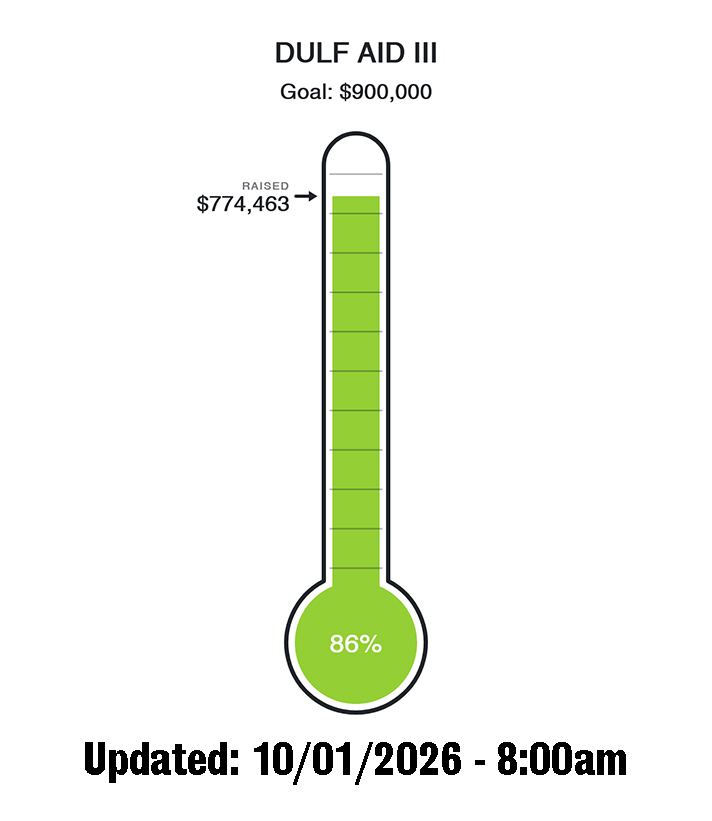
DULF Legal Aid Fund Update – 10/01/26
After the judgment, she sat at her desk, doing figures.
The Court had ruled. The matter had been decided, the arguments exhausted, the judgment entered into the record. For several days there had been congratulations, statements, messages, and a great many people saying that this was a historic victory. It was, in the strictest sense, a victory. The Court had said what the Court had said, and there was no appeal from it.
But she was still at her desk.
There were forms to complete, accounts to reconcile, lawyers to answer, and meetings to attend. There were also, increasingly, questions about what exactly the judgment had changed.
On the street, the answer was difficult to find.
The people who had been using the program were still there. The drugs were still there. The overdoses were still there. The police were still there. The hospitals were still there. The same doors remained closed, and the same people stood outside them.
She had imagined, before the judgment, that a victory in the highest court might have some relation to the world below it. She had imagined, perhaps foolishly, that once the legal question had been settled, something might become possible: a room might open, a program might begin again, a shipment might arrive, a scale might be placed on a table, and people might once again receive what they needed from somewhere other than the street.
But the judgment did not operate in this way.
The judgment had been delivered in a building. The drugs were consumed in another.
This distinction became increasingly difficult to explain.
People congratulated her on the victory. They asked when the program would return. They asked whether the judgment meant that the government would now permit it to operate. They asked whether the police would stop interfering. They asked whether the club would reopen.
She did not know how to answer.
DULF had won its case, but she had not won back its room.
The judgment existed. The program did not.
At first, she continued to believe that this was merely a matter of administration. Surely, after such a decision, there would be a process. There would be meetings. There would be officials assigned to the matter. There would be a committee, perhaps, followed by another committee, and eventually a memorandum explaining what had to happen next.
So she waited.
She filled out the necessary forms.
She answered the necessary questions.
She attended the necessary meetings.
Everywhere she went, someone acknowledged the importance of the judgment.
No one, however, seemed to know what to do with it.
The judgment was referred to as a precedent. It was discussed as a legal development. It was cited in correspondence. It appeared in documents and was mentioned in rooms where people spoke carefully about policy.
But on the street, the judgment was strangely difficult to locate.
It could not be exchanged for drugs.
It could not be injected.
It could not be smoked.
It could not be placed between two people at a table and used to prevent an overdose.
And so she began to understand that there were two kinds of victory.
There was the victory that could be entered into the law books.
And there was the victory that could be felt by a person standing on the street.
The first had happened.
The second had not.
One morning, after another long meeting in which everyone had agreed that the judgment was significant, she returned to her desk and began doing figures.
Outside, the city continued as before.
A person searched for drugs.
Another person used alone.
An ambulance went down the street.
Someone waited for a door to open.
Someone else waited for a program to return.
She looked at the judgment again.
It was still there.
Nothing had happened to it.
Then she put the paper down and looked toward the street.
The Court had decided the question.
The street, apparently, had not been consulted.
—
How to stand with us as we face continue to face the court:
1. Stay Engaged
We are providing biweekly updates on our website, and to our mailing list. These updates will track our fundraising progress and any case developments.
2. Donate Directly Now
A. Zeffy Donations: Donate easily via Zeffy to continue supporting DULF’s fight: https://www.zeffy.com/en-CA/donation-form/dulf-legal-aid-ii-the-final-push
B. E-Transfers and PayPal: Send funds to: druguserliberationfront@gmail.com
C. Tax Free Donations (Over $1000): Via Mom’s Stop the Harm at Canada Helps: https://www.canadahelps.org/en/dn/126579 (Select DULF under “fund” – your donation must be over $1000)
3. Join Our Legal Sustainer Donor Program
Become a dedicated partner in the fight for harm reduction and legal justice. By contributing regularly through DULF’s Sustainer Donor Program, you help fund critical legal costs, policy reform advocacy, and support for those most impacted by discriminatory drug policies.
Learn more and join here: Open Collective: DULF
4. Spread the Word
Share our updates and help us rally support for harm reduction and safer supply.


